Your facility needs regular sanitation protocols tailored to unique hazards, processing volumes, food allergens, and regulatory visits, including auditable records validating HACCP requirements, inspection compliance, and public health regulations. The details below give guidance on sanitation program requirements.
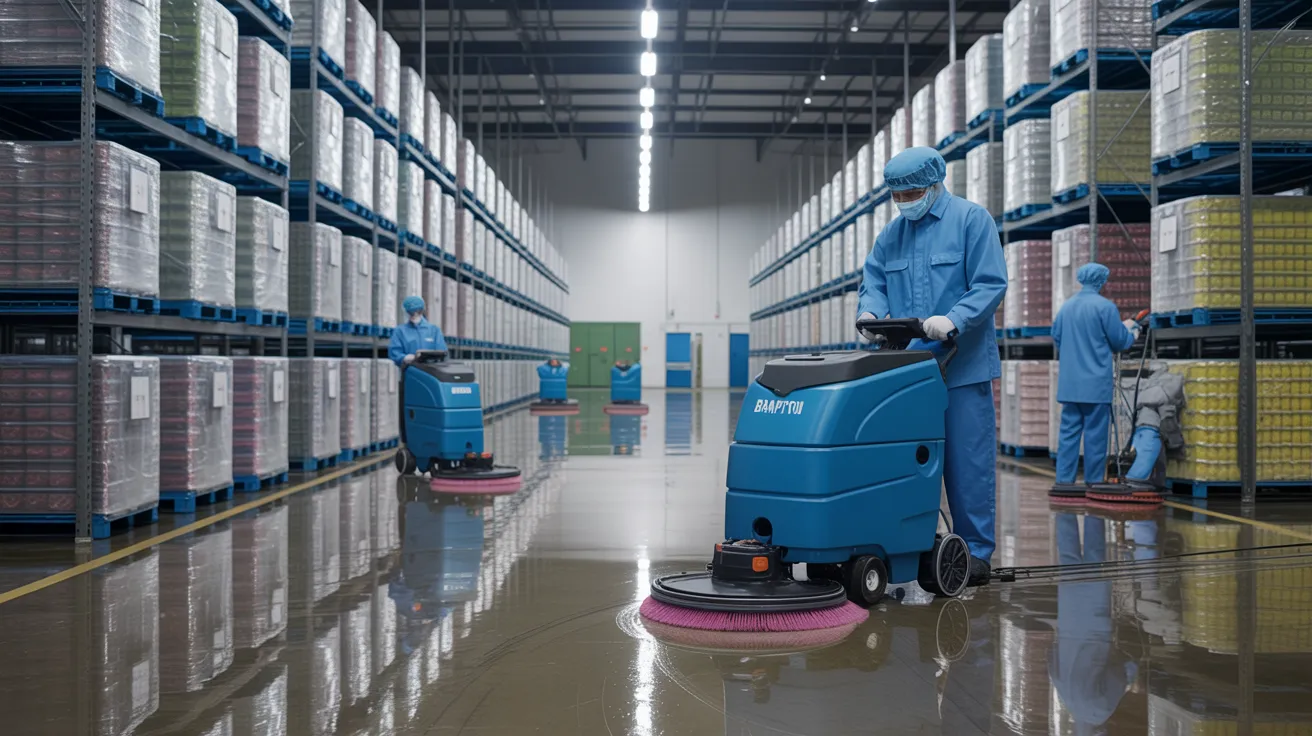
Essential Summary
- Brampton's food safety cleaning experts clean for restaurants, grocery departments, commissaries, warehouses, bakeries, schools, mobile vendors, and allergen-sensitive operations.
- They disinfect high-touch surfaces, food-contact equipment, kitchens, floors, drains, restrooms, and storage areas using sectional methods to avoid cross-contamination.
- Proper chemical concentration, alignment, and contact time are confirmed by approved contractors, with completion recorded via swabs, inspections, and action records.
- Risk, production volume, switches, releases, and requirements need to inform maintenance schedules, with routine, recurring, and annual operations distributed by area.
- Vendors need to exhibit hazard analysis knowledge, health regulatory competency, safety training instruction, protection, endorsements, color-coded equipment, and audit-ready sanitation records.
Food Safety Cleaning Requirements for Brampton Operations
Brampton operations that manage, store, prepare, package, or offer food require food sanitation. Implement it if your facility is subject to public health inspection, food premises regulations, or internal HACCP-based controls. The mandate covers dining establishments, employee cafes, food distributors, market sections, meat shops, fish counters, local shops, and commercial kitchens.
Adherent hygiene cleaning is also required in warehouses, food manufacturing plants, cold storage sites, retail bakeries, school nutrition programs, banquet halls, and meal delivery hubs. Mobile and temporary establishments count as well, including catering vehicles, festival sellers, and pop-up stands. Your establishment demands written cleaning standards should your workers work with ingredients, section finished dishes, heat items, or keep allergens organized. In Brampton, hygiene stays voluntary; it comprises statutory, functional, and public health standards.
What Do Brampton Cleaning Experts Clean?
You need skilled cleaning experts who sanitize frequently touched areas, kitchen spaces, floor areas, and restroom facilities to maintain food safety and public health requirements. These locations are prioritized because they carry the greatest contamination risk, falling hazards, and regulatory breaches.
When you understand what they clean, you can ensure your operation's cleaning procedures satisfy compliance and operational standards.
Cleaning High-Touch Areas
implement a disinfection plan
By swapping cloths, implementing unidirectional systems, and segregating cleaning tools according to section, you sustain a measurable, justified, and audit-prepared sanitation system.
Kitchen Areas, Floor Surfaces, and Bathroom Spaces
Brampton cleaning services focus on kitchens, floors, and restrooms as each zone presents distinct sanitation, accident, and wellness risks. In industrial kitchens, you need degreasing on cook lines, equipment exteriors, drains, prep surfaces, and splash zones to minimize bacterial growth and pest activity.
You should also expect documented flooring maintenance. is also provided as part of the service.
For restroom sanitation, cleaners disinfect touchpoints, fixtures, partitions, dispensers, and waste containers, then replenish amenities and manage odor. They also service restaurant moprooms, where chemical storage, sink hygiene, and drainage conditions can affect sanitation compliance and staff safety daily.
How Food Safety Cleaning Benefits Brampton Operations
Brampton businesses need to establish food-safe cleaning standards for meeting legal standards and obtaining approval. You also reduce bacterial spread through proper cleaning of food-preparation surfaces, appliances, and frequently-touched items. Most importantly, you help protect public health by lowering the risk of foodborne illness in your facility.
Regulatory Code Requirements
Since Brampton food companies must follow stringent health requirements, your hygiene maintenance directly influences your competence to adhere to health codes, protect diners, and eliminate regulatory penalties. You must maintain clean food preparation areas, written maintenance records, safe chemical management, and traceable training practices that meet municipal and provincial inspection expectations.
When inspectors evaluate your operation, they determine whether your cleaning procedures supports safe storage, appliance cleanliness, refuse management, and restroom sanitation.
Cross-Contamination Prevention
Adhering to regulatory guidelines requires your expertise in stopping cross-contamination throughout routine preparation and sanitation work. You need to isolate uncooked items from finished products, clean prep surfaces between tasks, and store cleaning supplies separately from food. Structured procedures reduce transfer risks and maintain ongoing regulatory adherence.
You should implement allergen segregation to keep priority allergens from contacting shared surfaces, containers, or equipment. Employ separate boards, labeled implements, and strict utensil labeling so employees avoid combining products throughout cooking or serving. Mandate washing hands following uncooked proteins, useful guide shellfish, egg items, or allergen products. Replace wiping cloths regularly, and verify sanitizer strength with test strips. When staff members receive training on these procedures every shift, you build a more hygienic, secure workplace that meets Brampton's food safety expectations daily.
Community Health Protection
When food safety cleaning deteriorate, you don't only risk a failed inspection—you raise the likelihood of food contamination affecting customers, staff, and the larger Brampton community. You also undermine your responsibility in protecting public health, especially in high-traffic food premises where contamination can spread quickly through surfaces, equipment, and touchpoints.
You need cleaning protocols that remove soils, disinfect properly, and confirm effectiveness. That requires adhering to exposure periods, using approved disinfectants, documenting schedules, and educating employees to meet regulatory standards. These controls support disease prevention by lowering microbial loads before they reach food or hands. In Brampton, rigorous cleaning protects vulnerable populations, limits outbreak potential, and helps you demonstrate proper care. When you clean to standard, you don't just meet regulations—you substantially decrease danger and promote secure food handling throughout the region.
How Can Cleaning Practices Ensure Food Safety Compliance?
Maintaining rigorous cleaning routines ensures food safety compliance by minimizing contamination hazards, limiting pathogen development, and keeping your facility aligned with sanitation requirements under HACCP-based programs and public health regulations. You validate that product-contact areas are visibly clean and microbiologically controlled, facilitating documented preventive controls and inspection readiness.
Cleaning programs additionally fortify allergen control by removing residues that can lead to undeclared allergen exposure.
When Should You Plan Commercial Cleaning?
daily routine cleaning
Allocate seasonal thorough cleaning for shutdowns, weather-related soil buildup, or pest-pressure periods
Selecting the Right Brampton Cleaning Experts: Key Considerations
Start by screening providers against food-safe sanitation requirements, not price alone. You should verify that each company understands CFIA, public health, and HACCP-aligned expectations relevant to your facility. Ask for insurance documentation, WHMIS compliance, documented staff training, and supervision practices. Review whether technicians understand cross-contamination risks, chemical handling, and traceable sanitation records.
Additionally, you need to evaluate operational reliability and responsibility. Obtain references from Brampton food operations, then review service speed, corrective measures, and communication practices. Verify the company supports supplier audits and can deliver inspection-ready documentation when inspectors or external parties need proof. Verify equipment upkeep, color-coded equipment are applied correctly, and location-specific dangers are identified. A qualified provider ensures compliance, product integrity, and your reputation.
What aspects should a Food Safety Cleaning Plan include?
Create a documented plan that clarifies every sanitation responsibility, standard, and task prior to production start. You should outline cleaning schedules, authorized chemicals, concentration levels, contact duration, implements, and validation techniques for each location, surface, and apparatus. Incorporate pre-operational inspections, corrective actions, and employee training requirements.
Your program should also cover contamination prevention, garbage management, pest control procedures, and recorded timelines for bathrooms, drainage systems, surfaces, and food-preparation zones. Detail how you'll separate raw and ready-to-eat processes, enable ingredient tracking, and maintain accurate allergen labeling through validated cleaning between product changes. You should designate accountability, keep signed records, and compare results against regulatory standards, HACCP controls, and customer requirements. When gaps appear, revise procedures immediately and re-educate staff.
Frequently Asked Questions
Do cleaning services work during nighttime hours at Brampton properties?
If you operate controlled facilities, you'll also require records that enable audits and ensure quality assurance.
Can sanitation professionals manage emergency spill response?
Yes, you can find many Brampton cleaning professionals offering spill containment options. They manage hazardous materials, assess dangers, contain affected areas, and perform swift decontamination to minimize risk and prevent disruption. You should confirm timeframes, training credentials, protocols, and disposal methods. If your facility must meet standards, pick a provider that logs events, maintains standards, and supports audits.
Can plant-based disinfectants be applied securely on food-handling equipment?
Yes, natural disinfectants can be safe for food-contact surfaces if you opt for items marked food-safe and complying with regulations. You should check contact duration, concentration levels, and rinsing needs before deployment. Many plant-derived products minimize harsh chemical exposure, but you should gather demonstration of efficacy against relevant pathogens. To preserve residue-free areas, you should adhere to manufacturer directions precisely and verify the cleaning agent complies with relevant food safety standards.
Will sanitation programs adjust for seasonal shifts?
Certainly, sanitation programs respond to seasonal shifts effectively. Adapt timing, staffing, chemicals, and validation steps to fit with seasonal workflows while maintaining regulatory requirements. Reduce operational delays via planning disinfection during changeovers, high demand periods, and equipment use patterns. Also revise standard operating procedures, instruction programs, and facility monitoring to reflect temporary risks, new allergens, or elevated soil levels. Ongoing evaluations keep the plan current.
Do commercial cleaners train staff on hygiene standards?
Indeed, professional cleaners often offer staff training on proper hygiene. Your team receives training on safe chemical application, contact times, cross-contamination prevention, equipment disassembly, and documentation. They typically follow instruction with HACCP, GMP, and CFIA or regional health standards criteria. Many also execute sanitation audits to verify compliance, reveal issues, and reinforce corrective actions. This assists you to maintain consistent procedures, pass inspections, and decrease foodborne illness risks on a daily basis.
Conclusion
Through working with Brampton food safety and commercial cleaning specialists, you accomplish much beyond organizing—you keep your operation prepared for audits and your standards meet requirements. From kitchen spaces to processing areas, all maintained surfaces and kept corners help prevent pest problems and prevent significant costs. Through booking service at proper intervals and adhering to a comprehensive cleaning program, you safeguard employees, your patrons, and your good name. In a tightly controlled regulatory landscape, proper sanitation must be a priority—they represent good business practice.